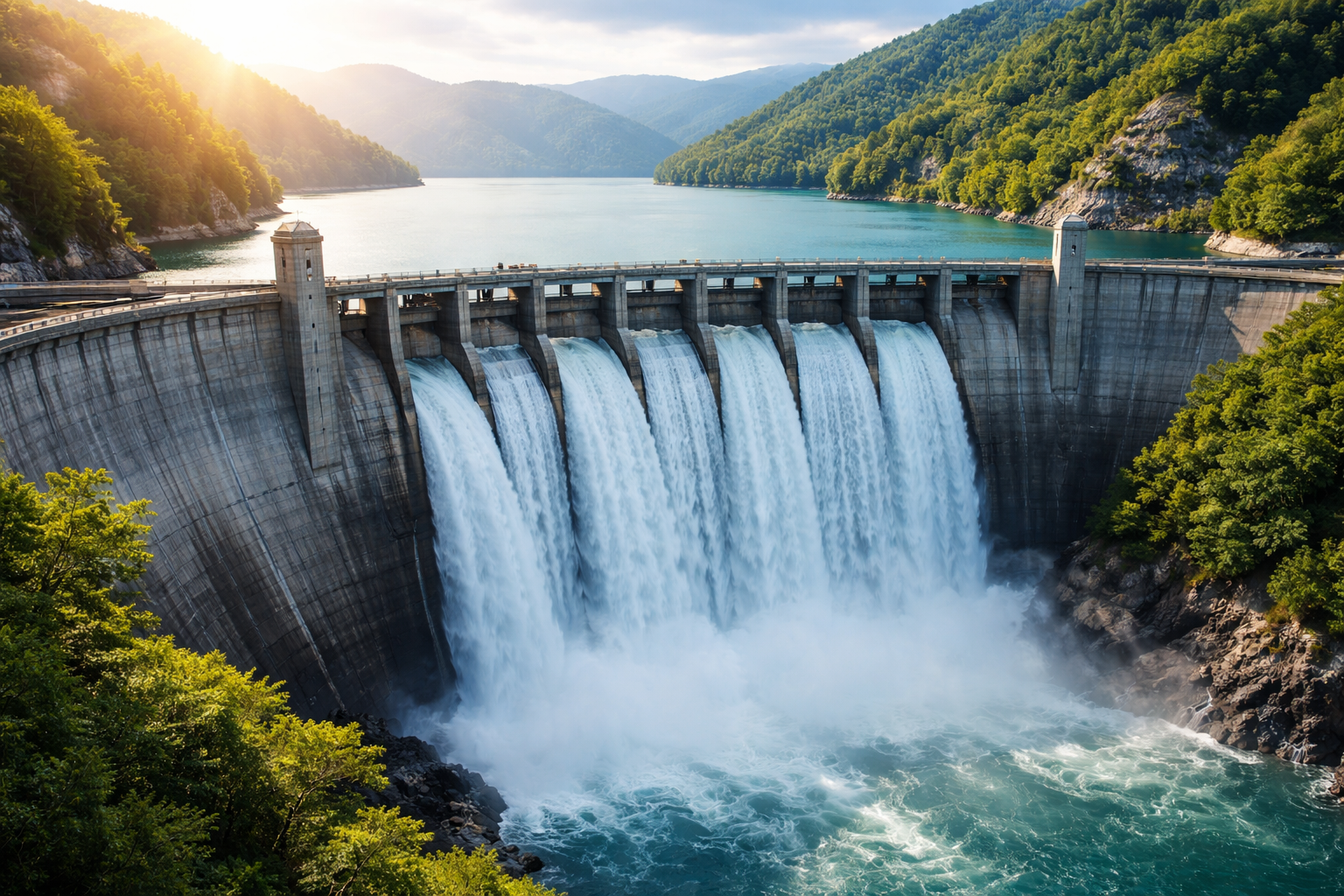
In today’s fast-paced, high-demand world, burnout has become almost synonymous with professional success. Long hours, constant pressure, and the expectation to always perform at your best can slowly erode your physical, mental, and emotional reserves.
But burnout isn’t a personal failure—it’s a physiological and neurological signal that your system has been under too much strain for too long.
The Dam Analogy: Understanding Human Resilience
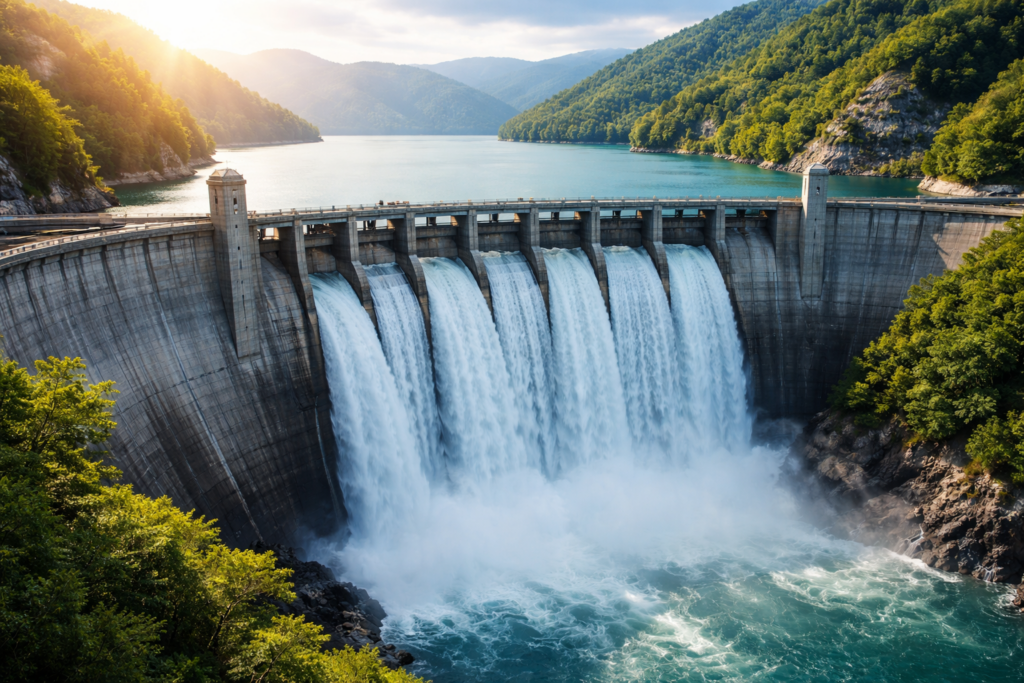
Think of your body like a large, well-engineered dam.
A dam is built to withstand immense pressure. Day after day, it holds back thousands—sometimes millions—of litres of water. It doesn’t crack under normal conditions. It’s designed for resilience.
But here’s the key:
Even the strongest dam requires ongoing maintenance.
- Engineers regularly inspect for microfractures
- Pressure levels are monitored and adjusted
- Debris is cleared to prevent buildup
- Structural reinforcements are made when needed
Without this care, even the most robust dam will eventually weaken. Small cracks become larger ones. Pressure builds beyond capacity. And ultimately, failure becomes inevitable.
Your body works the same way.
You are capable of handling significant stress—deadlines, responsibilities, emotional demands—but without intentional maintenance, your system begins to show signs of strain:
- Fatigue that doesn’t resolve with rest
- Brain fog and reduced focus
- Irritability or emotional numbness
- Sleep disturbances
- Hormonal imbalances
- Digestive issues
Burnout is not the collapse—it’s the warning sign that your “dam” needs attention.
What’s Happening in the Body?
From a naturopathic perspective, burnout is often driven by dysregulation in several key systems:
1. The Stress Response System (HPA Axis)
Chronic stress leads to prolonged activation of cortisol. Over time, this can result in:
- Poor energy regulation
- Disrupted sleep-wake cycles
- Increased inflammation
2. Nervous System Imbalance
Many professionals live in a constant “fight or flight” state, with limited time spent in “rest and digest.”
3. Nutrient Depletion
Stress increases the demand for key nutrients like:
- Magnesium
- B vitamins
- Vitamin C
4. Blood Sugar Dysregulation
Irregular meals, caffeine reliance, and stress can destabilize energy levels throughout the day.
5. Hormonal Disruption
Chronic stress can suppress reproductive hormones, alter thyroid function, and contribute to metabolic changes.
The Naturopathic Approach to Burnout
Just like maintaining a dam, restoring resilience requires a proactive and structured approach.
1. Reduce the Pressure Load
We don’t start by pushing harder—we start by reducing strain.
- Identify non-essential commitments
- Set realistic boundaries with work and technology
- Schedule true downtime (not just passive scrolling)
2. Restore the Foundations
Sleep
- Aim for consistent sleep and wake times
- Minimize screen exposure before bed
- Support circadian rhythm with morning light exposure
Nutrition
- Prioritize protein-rich meals to stabilize blood sugar
- Eat regularly (every 3–4 hours)
- Reduce reliance on caffeine and sugar
3. Replenish Key Nutrients
Targeted supplementation may include:
- Magnesium (for relaxation and nervous system support)
- B-complex vitamins (for energy metabolism)
- Adaptogenic herbs (to help regulate stress response)
4. Regulate the Nervous System
Incorporate daily practices that shift your body out of stress mode:
- Deep breathing exercises
- Gentle movement (walking, yoga)
- Mindfulness or meditation
- Time in nature
These aren’t luxuries—they are essential maintenance.
5. Support Energy Production
Instead of relying on stimulants, we focus on restoring cellular energy:
- Balanced meals
- Hydration
- Addressing underlying imbalances (thyroid, iron, etc.)
6. Ongoing Monitoring and Adjustment
Just like engineers don’t check a dam once and walk away, your health requires ongoing attention.
- Regular check-ins with your practitioner
- Lab testing where appropriate
- Adjusting protocols based on progress
Reframing Burnout
Burnout is often seen as something to “push through.” But in reality, it’s your body asking for recalibration.
You are not meant to operate at maximum output indefinitely.
Your resilience is real—but it is not infinite without support.
Final Thoughts
A well-maintained dam doesn’t just survive—it performs reliably under pressure for decades.
With the right care, your body can do the same.
By addressing burnout through a naturopathic lens—supporting the nervous system, replenishing nutrients, restoring balance—you’re not just recovering. You’re building a stronger, more sustainable foundation for long-term performance and well-being.
If you’re feeling the early cracks—or nearing overflow—this is the time to act.
Resilience isn’t about enduring more pressure.
It’s about maintaining the structure that allows you to hold it.