Category: Women’s Health

  • “My Labs Are Normal”… So Why Do I Still Feel Unwell?

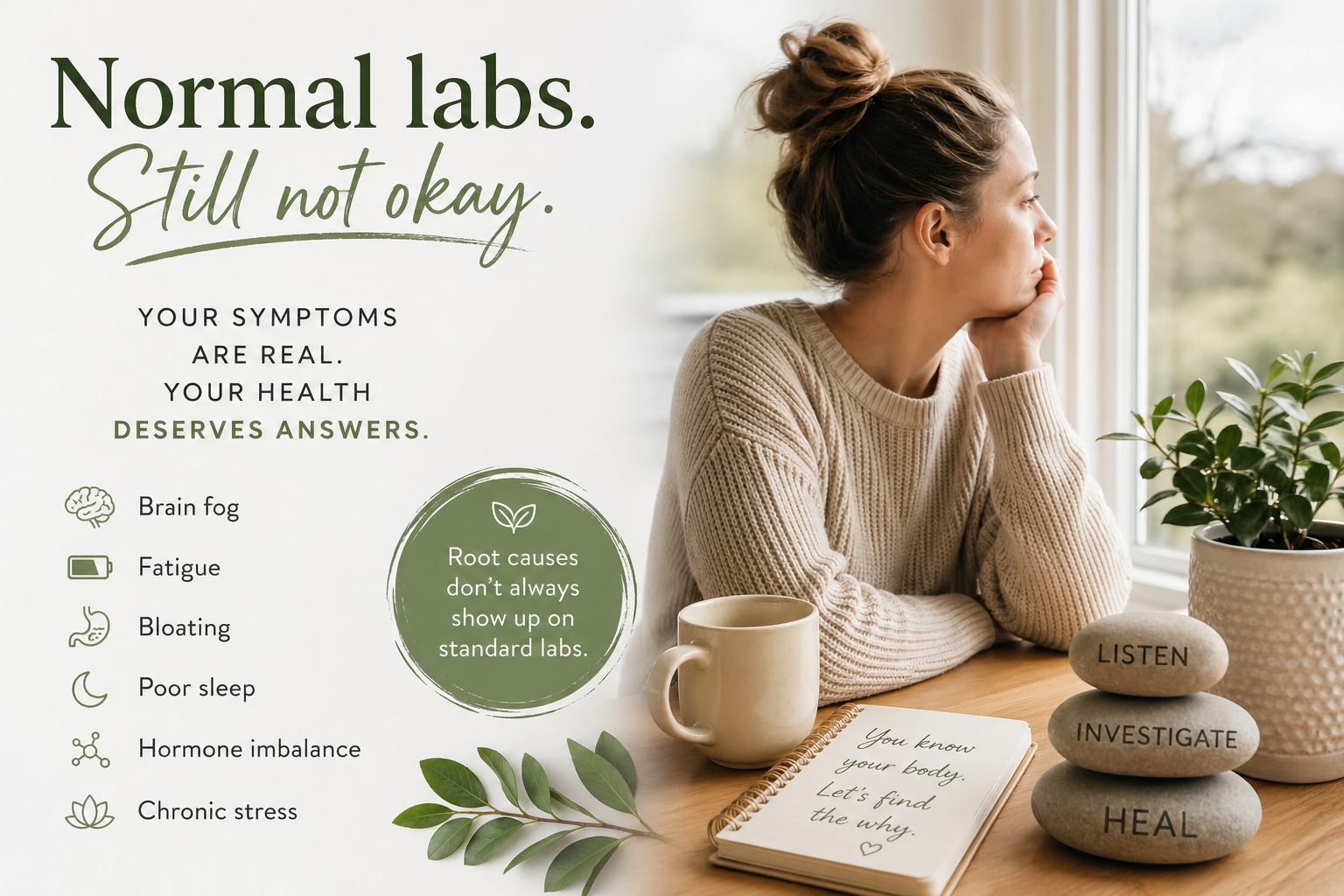
    “My Labs Are Normal”… So Why Do I Still Feel Unwell?

    You’ve been tired for months.

    Your digestion is off.
    You’re gaining weight more easily.
    Your sleep feels lighter, less restorative.
    You feel anxious, irritable, foggy, inflamed—or simply not like yourself.

    So you do what you’re supposed to do: you book an appointment, run bloodwork, and wait for answers.

    Then the results come back:

    “Everything looks normal.”

    And yet—you still feel awful.

    If this sounds familiar, you are not alone.

    As a naturopathic doctor, one of the most common things I hear from patients is:

    “I know something is off, but my doctor says my labs are normal.”

    Here’s what that often means—and why your symptoms still deserve attention.

    “Normal” Doesn’t Always Mean “Optimal”

    Laboratory reference ranges are designed to identify disease, not necessarily early dysfunction.

    In other words:

    • You may not have anemia—but your iron stores may be too low for healthy energy.
    • Your thyroid may be “within range”—but not functioning optimally for your body.
    • Your blood sugar may be technically normal—while insulin resistance is quietly developing.
    • Your inflammation markers may be acceptable—while low-grade inflammation is contributing to fatigue, pain, or hormone imbalance.

    Many chronic symptoms begin years before disease appears on standard lab testing.

    This is where naturopathic medicine takes a deeper look.

    Symptoms Are Data

    Your body is always communicating.

    Symptoms like:

    …are not random.

    They are clues.

    They may point toward:

    When we listen closely, symptoms often tell a story long before conventional testing catches up.

    Functional Imbalance Can Exist Before Disease

    Think of health like a spectrum:

    Optimal health → mild imbalance → dysfunction → disease

    Conventional medicine is excellent at diagnosing disease.

    Naturopathic medicine often works in the earlier stages—when dysfunction is present, but before it becomes a diagnosis.

    That matters, because this is often the best time to intervene.

    A Deeper Assessment Can Change Everything

    A naturopathic assessment may explore:

    Your history

    Not just what symptoms you have—but:

    • when they started
    • what triggers them
    • what makes them better or worse
    • sleep patterns
    • digestion
    • stress load
    • hormones
    • medications
    • nutrition
    • environmental exposures

    A deeper lab interpretation

    Sometimes the issue is not abnormal labs—it’s patterns hidden within “normal” labs.

    For example:

    • ferritin in the low-normal range
    • borderline B12
    • elevated fasting insulin
    • subtle thyroid patterns
    • inflammation trends
    • nutrient deficiencies
    • liver or bile flow issues
    • immune markers that suggest ongoing activation

    Root-cause investigation

    Depending on symptoms, this may include looking deeper at:

    • gut health
    • hormones
    • metabolic health
    • nutrient status
    • inflammation
    • cortisol rhythm / stress response
    • food reactions
    • environmental contributors

    You Know Your Body

    If you feel unwell, exhausted, inflamed, foggy, or unlike yourself—even with “normal” labs—your experience is valid.

    Your symptoms are worth investigating.

    Normal bloodwork should be reassuring—but it should not automatically end the conversation.

    Sometimes it’s simply the beginning of asking better questions.

    Final Thoughts

    You deserve more than:

    “Your labs are normal.”

    You deserve to understand why you feel the way you do—and what can be done to help.

    Healing often starts when someone finally listens closely enough.


    If you’ve been told everything looks normal, but you still don’t feel well, there may be more to explore. A thorough naturopathic assessment can help uncover the patterns behind your symptoms and create a plan that supports true healing—not just normal lab values.

    Dr. Ryan Nakama ND proudly provides Naturopathic Medicine services to Lethbridge and Southern Alberta.

  • Naturopathic Approach to PCOS: A Root-Cause Strategy for Hormone Balance

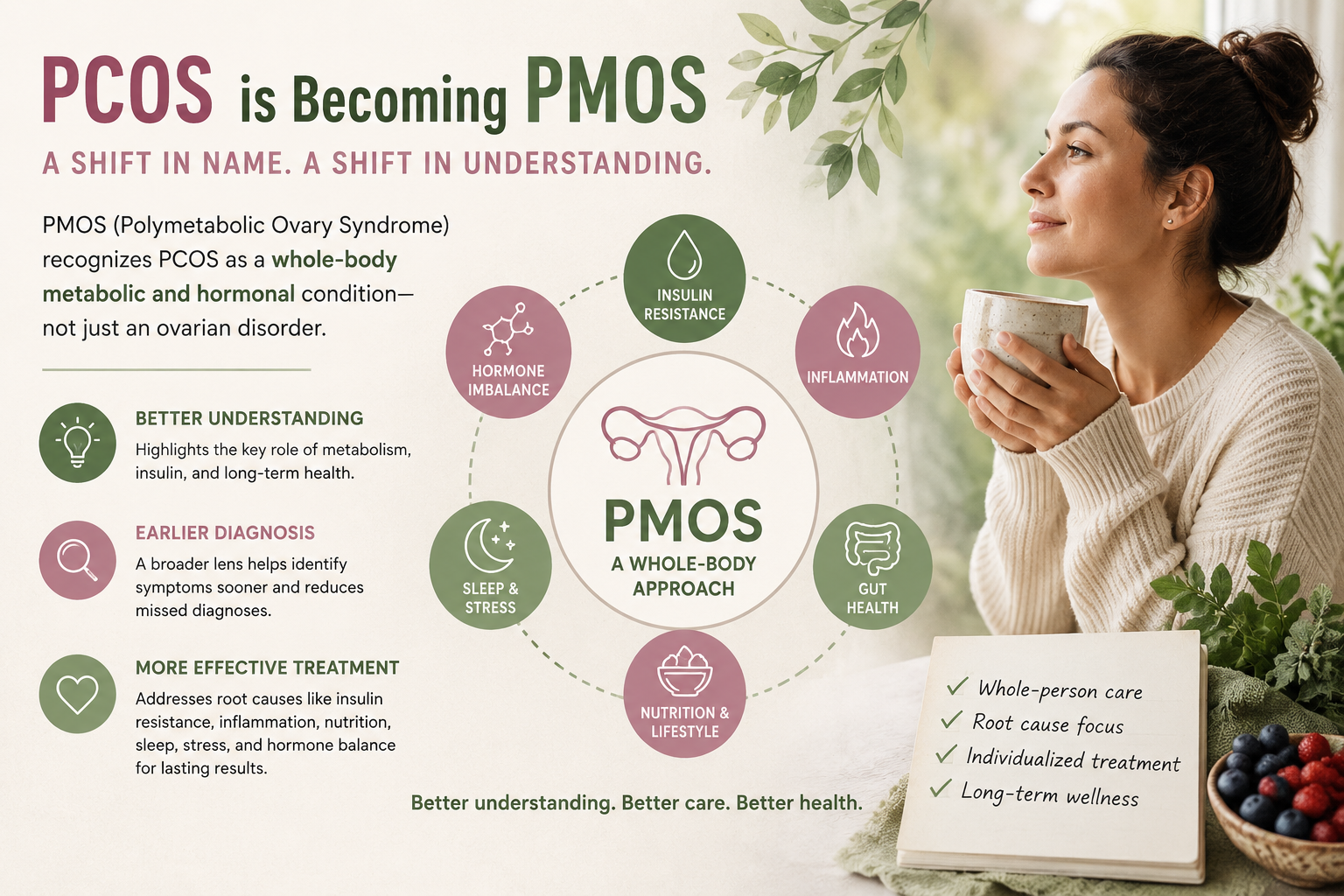
    Polycystic Ovary Syndrome (PCOS) is one of the most common hormonal conditions affecting women of reproductive age. It can impact cycles, skin, fertility, metabolism, mood, and long-term health. While conventional treatment often focuses on symptom management, a naturopathic approach to PCOS aims to understand why symptoms are happening and create a personalized plan to restore balance naturally.

    If you’re dealing with irregular periods, acne, unwanted hair growth, weight gain, insulin resistance, or fertility concerns, this guide explains how naturopathic medicine can support PCOS.

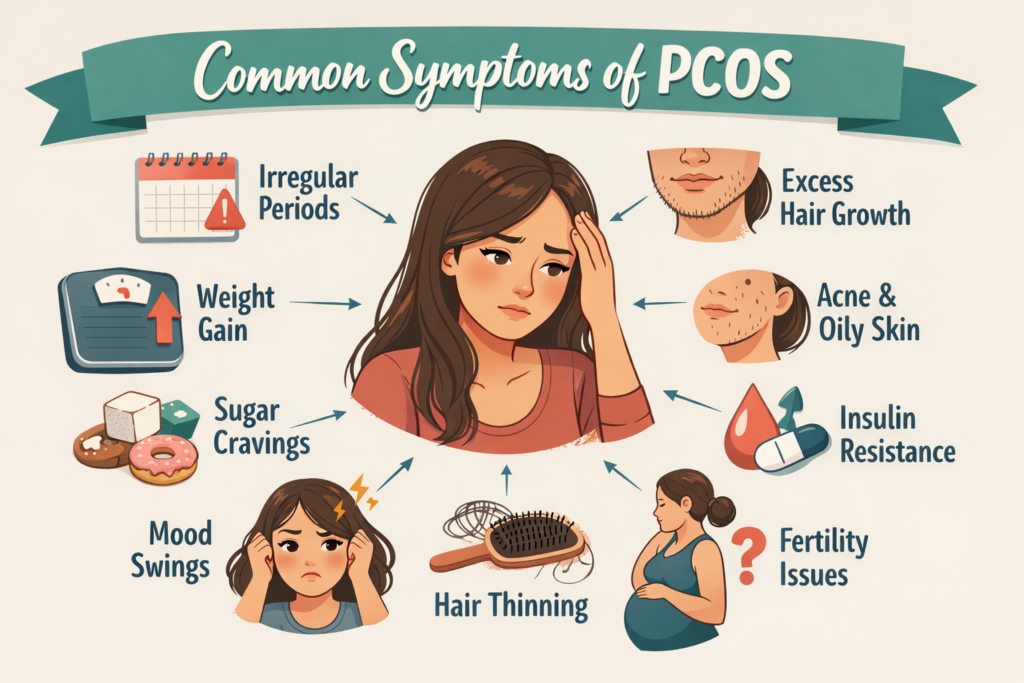
    Common Symptoms of PCOS

    What Is PCOS?

    PCOS is a hormone and metabolic condition involving a combination of:

    • Irregular or absent ovulation
    • Elevated androgens (testosterone-type hormones)
    • Insulin resistance
    • Ovarian cysts (sometimes present, but not required for diagnosis)

    PCOS can look different from person to person. Some women are lean, some struggle with weight gain, some have acne as the main issue, while others experience fertility challenges.


    Common Symptoms

    Signs and symptoms may include:

    • Irregular or missing menstrual cycles
    • Acne or oily skin
    • Facial or body hair growth
    • Scalp hair thinning
    • Difficulty losing weight
    • Sugar cravings or energy crashes
    • Fertility struggles
    • Mood swings or anxiety
    • Heavy periods or no periods
    • Sleep issues or fatigue

    Why PCOS Happens: A Root Cause Perspective

    From a naturopathic lens, PCOS often involves several overlapping factors:

    1. Insulin Resistance

    High insulin levels stimulate the ovaries to produce more testosterone. This can worsen acne, irregular ovulation, and weight gain.

    2. Chronic Stress & Cortisol Imbalance

    Stress hormones can disrupt ovulation, worsen blood sugar regulation, and increase inflammation.

    3. Inflammation

    Low-grade chronic inflammation is common in PCOS and may contribute to hormonal imbalance.

    4. Gut Health Dysfunction

    Digestive issues, dysbiosis, constipation, and poor detoxification may worsen estrogen metabolism and insulin resistance.

    5. Nutrient Deficiencies

    Low magnesium, vitamin D, zinc, omega-3s, and B vitamins are common and can impact hormones and metabolism.


    How a Naturopathic Doctor Assesses PCOS

    A naturopathic plan begins with a full health history and targeted testing.

    Common Lab Work May Include:

    • Fasting insulin / glucose
    • Hemoglobin A1c
    • Testosterone (total/free)
    • DHEA-S
    • LH / FSH
    • Estradiol / Progesterone
    • TSH / thyroid panel
    • Vitamin D
    • Ferritin / iron studies
    • Lipids
    • Inflammatory markers

    Additional testing may include stool testing, cortisol testing, or ovulation tracking depending on symptoms.


    Naturopathic Treatment for PCOS

    Treatment is individualized based on your symptoms, goals, and lab findings.

    1. Nutrition

    Food is foundational. Many women improve significantly with blood sugar balancing nutrition.


    2. Targeted Supplements

    Depending on the case, evidence-informed supplements may include specific vitamins, minerals, herbal medicines or other nutraceuticals. Supplements should be individualized and professionally guided.


    3. Stress & Nervous System Support

    Stress can worsen PCOS symptoms.


    4. Cycle Regulation & Fertility Support

    For women trying to conceive, naturopathic care may focus on:

    • Supporting ovulation
    • Improving insulin sensitivity
    • Reducing inflammation
    • Optimizing thyroid health
    • Enhancing egg quality
    • Coordinating care with fertility clinics when needed

    5. Skin & Androgen Support

    For acne, hair growth, or hair thinning, treatment may involve:

    • Insulin regulation
    • Anti-inflammatory nutrition
    • Zinc and nutrient support
    • Hormone balancing herbs
    • Gut and liver support

    Can PCOS Be Reversed Naturally?

    PCOS is a chronic condition, but symptoms can often be dramatically improved with the right strategy. Many women experience:

    • More regular cycles
    • Improved ovulation
    • Better energy
    • Easier weight management
    • Reduced acne
    • Improved fertility outcomes
    • Better long-term metabolic health

    Why Work With a Naturopathic Doctor for PCOS?

    A naturopathic doctor looks beyond the label of PCOS to understand your unique drivers. Two people with PCOS may need completely different treatment plans.

    Care is personalized and can be especially helpful if you want support with:

    • Natural hormone balance
    • Fertility optimization
    • Weight management resistance
    • Acne and androgen symptoms
    • Digestive issues alongside PCOS
    • Long-term prevention of diabetes or metabolic disease

    Book a Consultation

    If you’re struggling with irregular cycles, hormone symptoms, or fertility concerns, a personalized naturopathic plan may help you regain control of your health.

    Book an appointment today to create a root-cause plan for PCOS.

  • Naturopathic Approach to Menstrual Cycle Issues: Irregular Periods, Heavy Bleeding, PMS & PCOS

    Naturopathic Approach to Menstrual Cycle Issues: Irregular Periods, Heavy Bleeding, PMS & PCOS

    Menstrual cycle concerns are incredibly common—but they are not something you simply have to “put up with.” Symptoms like irregular periods, painful cramps, heavy bleeding, mood swings, acne, or missing cycles often signal underlying imbalances that can be improved with the right support.

    A naturopathic approach to Women’s Health looks beyond symptom suppression to understand why your cycle is out of balance. By addressing hormones, stress, nutrition, digestion, inflammation, and metabolic health, many women can experience healthier, more predictable cycles and improved overall wellbeing.


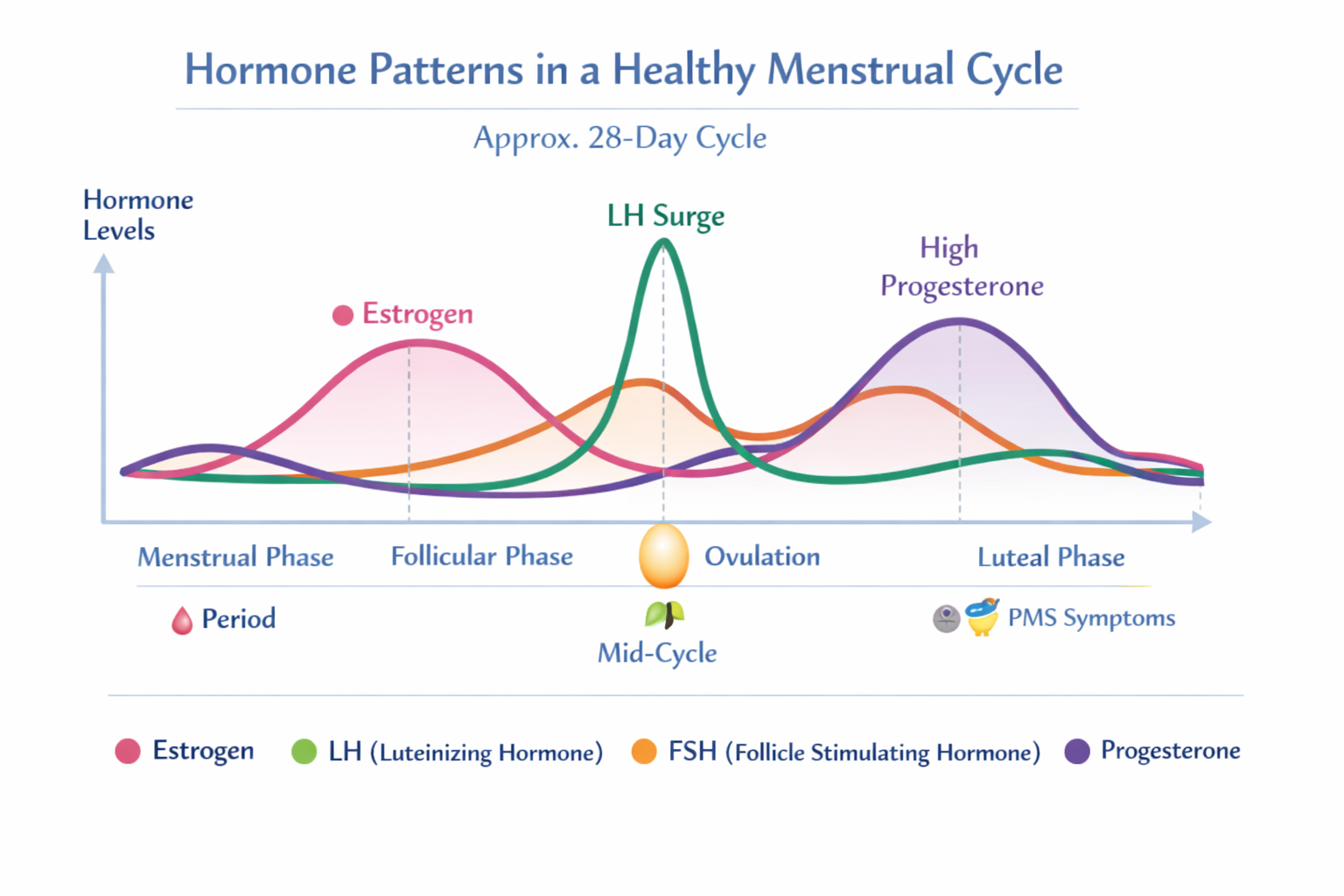
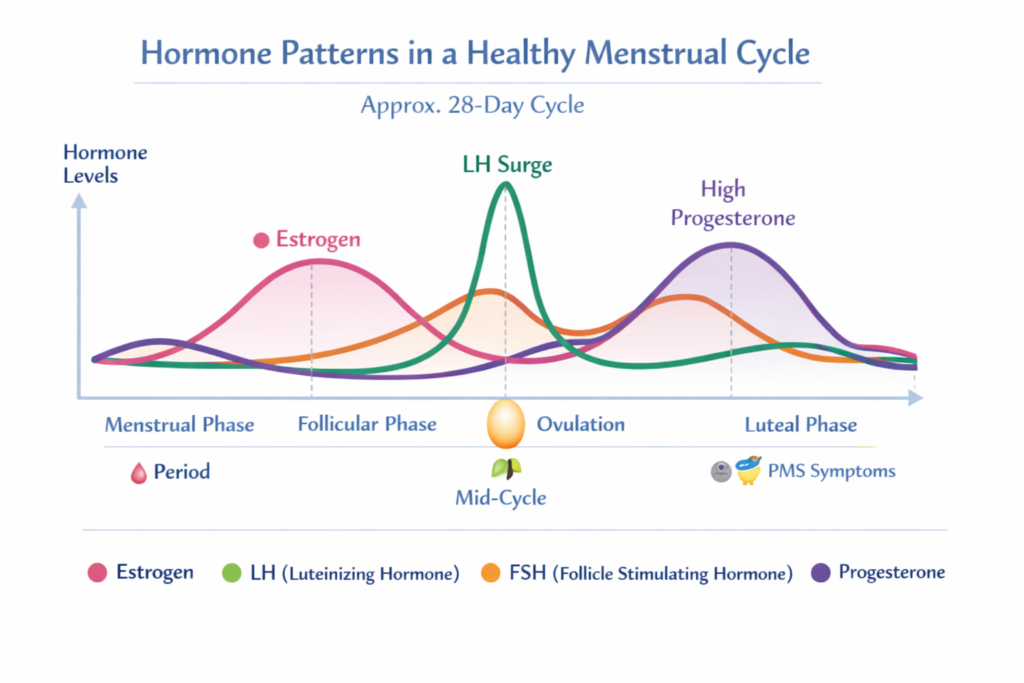
    Understanding the Menstrual Cycle

    A healthy menstrual cycle is often a reflection of overall health. While cycle length can vary, a typical cycle is around 24–35 days, with bleeding lasting 3–7 days.

    When cycles become irregular, very painful, unusually heavy, or accompanied by other symptoms, it may suggest hormonal or physiological imbalances that deserve attention.

    Common menstrual concerns include:

    • Irregular or unpredictable periods
    • Missing periods
    • Heavy bleeding or clotting
    • Painful cramps
    • PMS / PMDD symptoms
    • Acne and hormonal breakouts
    • Mood changes or irritability
    • PCOS symptoms
    • Fertility concerns
    • Perimenopausal cycle changes

    Common Menstrual Cycle Issues & Naturopathic Insights

    1. Irregular Cycles

    Irregular cycles may involve long gaps between periods, short cycles, unpredictable bleeding, or skipped periods.

    Possible Root Causes:

    • Stress and cortisol imbalance
    • Thyroid dysfunction
    • Polycystic Ovary Syndrome (PCOS)
    • Under-fueling or excessive exercise
    • Insulin resistance
    • Perimenopause
    • Nutrient deficiencies

    Naturopathic Support May Include:

    • Stress regulation strategies
    • Blood sugar balancing nutrition
    • Thyroid assessment
    • Sleep optimization
    • Targeted nutrients such as magnesium, zinc, B vitamins
    • Herbal support depending on the pattern

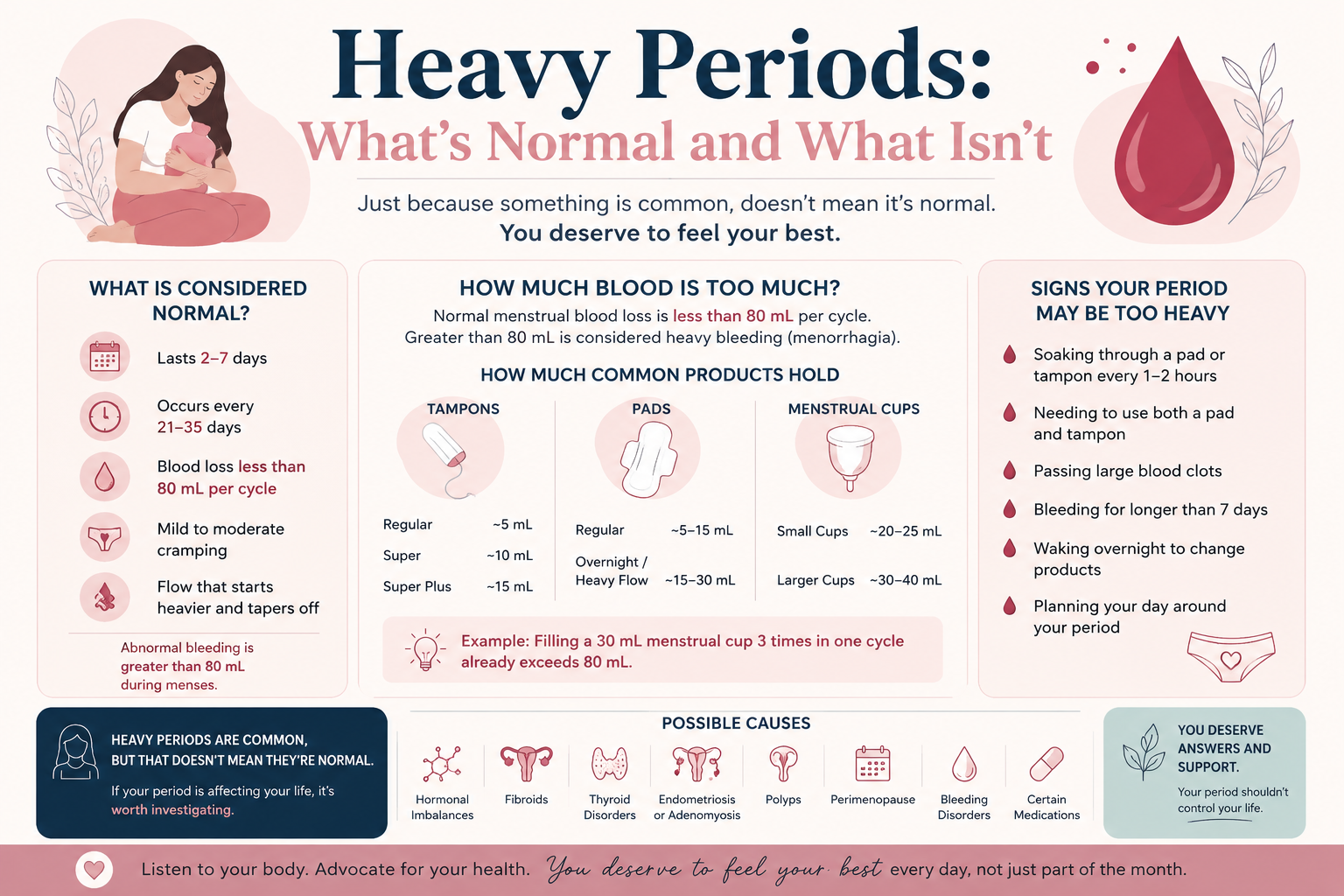
    2. Heavy Bleeding

    Heavy periods are common but should not be ignored—especially if causing fatigue, iron deficiency, or interfering with daily life.

    Possible Contributors:

    • Estrogen dominance
    • Fibroids or polyps
    • Progesterone insufficiency
    • Thyroid dysfunction
    • Inflammation
    • Perimenopause

    Naturopathic Support May Include:

    • Iron and ferritin assessment
    • Anti-inflammatory nutrition strategies
    • Hormone metabolism support
    • Liver support
    • Targeted nutrients and herbal medicine
    • Collaboration for pelvic ultrasound or gynecology referral when needed

    4

    3. PMS (Premenstrual Syndrome)

    Symptoms such as irritability, anxiety, bloating, breast tenderness, headaches, cravings, and fatigue before your period often reflect hormone sensitivity or imbalance.

    Common Drivers:

    • Low progesterone
    • Estrogen imbalance
    • Blood sugar instability
    • Stress hormone dysregulation
    • Poor sleep
    • Magnesium deficiency
    • Inflammation

    Naturopathic Treatment May Include:

    • Vitamin and mineral support
    • Blood sugar balancing meals
    • Nervous system regulation
    • Exercise and movement plans
    • Herbal support
    • Sleep improvement strategies

    4. PCOS (Polycystic Ovary Syndrome)

    Polycystic Ovary Syndrome is one of the most common causes of irregular cycles and may also present with acne, hair growth changes, difficulty losing weight, insulin resistance, or fertility concerns.

    Naturopathic Focus Areas:

    • Improving insulin sensitivity
    • Supporting regular ovulation
    • Reducing inflammation
    • Stress reduction
    • Weight-neutral metabolic support
    • Nutrient optimization
    • Evidence-informed supplementation and herbal medicine

    What Testing May Be Recommended?

    A naturopathic doctor may recommend or review testing such as:

    • Thyroid panel (TSH, Free T3, Free T4)
    • Iron studies / ferritin
    • Vitamin D
    • Blood sugar markers (fasting glucose, insulin, HbA1c)
    • Sex hormones (timing dependent)
    • Pelvic ultrasound when appropriate
    • Inflammation markers

    Testing is individualized and based on symptoms, history, and goals.


    Lifestyle Foundations for Better Cycles

    Even small changes can make a major difference:

    Nutrition

    Nutrition can support hormone metabolism, inflammation status, blood sugars, iron status, and more.

    Stress Management

    Chronic stress can disrupt ovulation and worsen PMS.

    Sleep

    Aim for consistent sleep timing and adequate duration.


    When to Seek Support

    You should seek professional assessment if you experience:

    • Missing periods
    • Very heavy bleeding
    • Severe pain
    • Cycles shorter than 24 days or longer than 35 days regularly
    • Fertility concerns
    • New cycle changes after age 40
    • Fatigue or anemia symptoms
    • Worsening PMS or mood symptoms

    How a Naturopathic Doctor Can Help

    A naturopathic doctor can help identify root causes, order appropriate lab testing, and create a personalized plan that may include:

    • Nutrition counselling
    • Supplement recommendations
    • Herbal medicine
    • Hormone support strategies
    • Stress and sleep optimization
    • Coordination with conventional care when needed

    Ready to Improve Your Cycle Naturally?

    If you’re dealing with irregular periods, heavy bleeding, PMS, or PCOS, your body is giving important signals. With the right investigation and support, cycles often improve significantly.

    A personalized naturopathic plan can help you feel more balanced, energized, and in control of your health again.

© 2026 Dr. Ryan Nakama ND